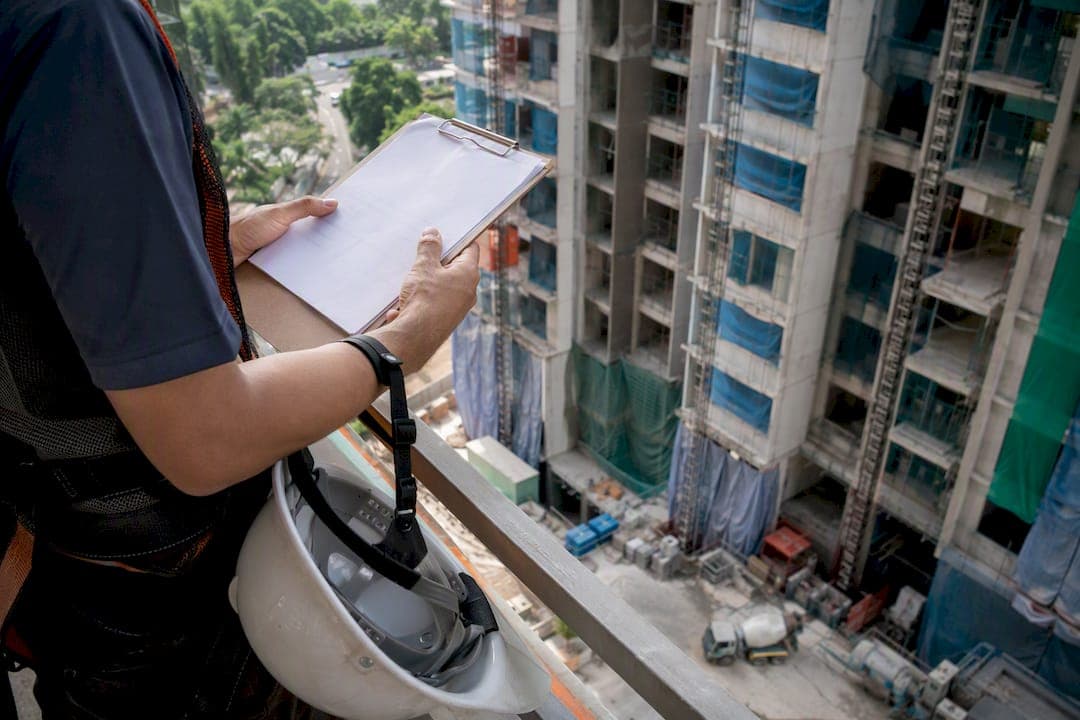
TOP lets owners move in when a building is safe to occupy; CSC confirms full statutory completion. That is the entire distinction in one line, and almost everything else in this article just explains the consequences of it. The Building and Construction Authority (BCA) issues both documents, but they answer different questions: TOP asks "is it safe to live here?" while CSC asks "has every agency signed off on everything?" TOP typically arrives before CSC, with the time gap varying widely depending on project complexity, especially for larger mixed-use projects with retail podiums or childcare centers.
- TOP = permission to occupy; some non-critical works may still be outstanding.
- CSC = final statutory completion; every required agency clearance is in.
- The gap between them varies depending on project complexity.
Key Takeaways
TOP grants occupancy once a building is judged safe, while CSC confirms every statutory agency clearance is complete, and buyers should verify both independently rather than relying on developer summaries.
| Point | Details |
|---|---|
| TOP means safe, not finished | You can move in, but some non-critical works may still be outstanding. |
| CSC closes the developer's obligations | All agency clearances, URA, SCDF, PUB, NEA, LTA, NParks, must be in. |
| Processing is fast on complete files | BCA clears complete TOP submissions within 7 working days. |
| Payment and financing follow TOP | Most progressive payment and mortgage disbursement milestones trigger at TOP, not CSC. |
| Document everything at handover | Request certificates, snag independently, and log defects in writing. |
Ready to see how these milestones apply to a specific District 01 project? The One Marina Gardens fact sheet lays out unit distribution and facilities so you can compare what's typically finished at TOP versus CSC, and you can browse current availability directly on the One Marina Gardens site.
Table of Contents
- Top vs CSC: The Legal Definitions Every Buyer Should Know
- Which Agencies Sign Off on TOP and CSC?
- How Do You Apply for TOP or CSC in Singapore?
- What Inspections Happen Before TOP and Before CSC?
- What Does TOP vs CSC Mean for Your Move-In and Sub-Sale Plans?
- What Documents Should You Ask For at Handover?
- What Should Buyers Check on Day One of Occupation?
- TOP and CSC Are Milestones, Not Report Cards
- Where to Verify TOP and CSC Information Yourself
- Sources
- FAQ
Top vs CSC: The Legal Definitions Every Buyer Should Know
A Temporary Occupation Permit means BCA has determined the building is structurally safe and fit for people to live in, even though some finishing work might remain. A Certificate of Statutory Completion means every statutory requirement has been met and every relevant agency has cleared the project. Both are governed under the Building Control Act, and BCA's own application guidance confirms occupation of any building, or part of one, legally requires either document to be in force.
The scope differs sharply. TOP covers life-safety essentials: fire protection systems, structural stability, basic drainage, and functioning lifts. CSC covers everything TOP does, plus landscaping, external hardscaping, engineered facades, safety barriers, and every remaining agency sign-off. Developers are not obligated to apply for TOP at all. It is a practical stepping stone many use to hand over keys sooner. CSC, on the other hand, is compulsory and marks the true legal finish line for the entire development.
- TOP: partial completion, safety-focused, optional application.
- CSC: full completion, agency-verified, mandatory application.
- Both fall under the same Building Control Act framework, just at different completion stages.
Which Agencies Sign Off on TOP and CSC?
BCA, specifically the Commissioner of Building Control, is the sole issuing authority for both TOP and CSC. But BCA does not work in isolation. It relies on clearances from several technical agencies before a full CSC gets approved, and buyers who understand this list can read developer paperwork with a sharper eye.
- URA confirms land use and planning compliance match the approved development.
- SCDF clears fire safety systems, sprinklers, and emergency egress routes.
- PUB verifies drainage, sewerage, and water supply infrastructure.
- NEA checks environmental and sanitation compliance, including refuse handling.
- LTA signs off on any road, traffic, or connectivity works tied to the site.
- NParks clears landscaping and greenery requirements where applicable.
Every one of these names should show up somewhere on a complete CSC file. A CSCTOP Form Companion.pdf) published for Qualified Persons lays out exactly which supporting documents each clearance requires, and it is worth a skim if you like paper trails as much as I do.
How Do You Apply for TOP or CSC in Singapore?
Buyers never file these applications themselves. A Qualified Person, usually an architect or engineer appointed by the developer, submits the paperwork on the developer's behalf and coordinates the site inspections BCA and the technical agencies require.
- The QP compiles structural certifications, agency clearances, and completion documents into a single submission.
- BCA reviews the file. Complete TOP submissions are processed within 7 working days, and an express TOP option, where accepted, can turn around in a single working day.
- Any incomplete or contested item (a missing SCDF clearance, for instance) sends the application back for correction, which resets the clock.
- Once TOP clears, outstanding items get finished, inspected, and folded into the eventual CSC application.
A 2020 circular from BCA's CORENET system documents procedural updates to this workflow, including changes to how inspections get scheduled. Practical completion to TOP typically takes weeks; TOP to CSC often takes several months more, sometimes longer for developments with complex facades or shared facilities.
What Inspections Happen Before TOP and Before CSC?
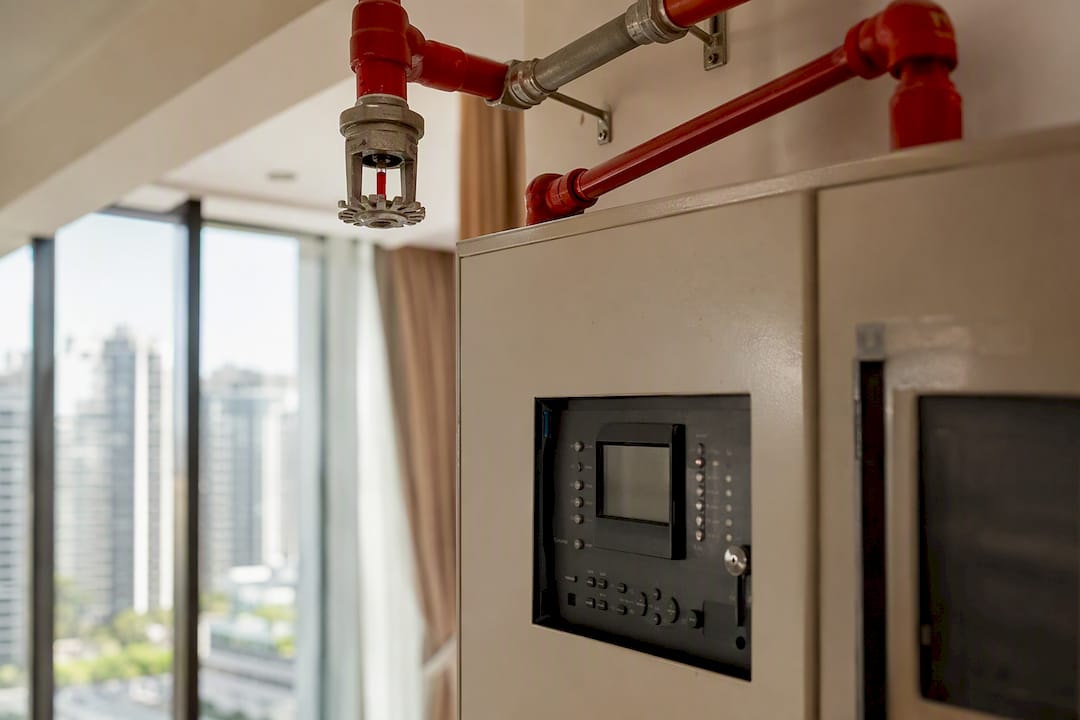
TOP inspections focus narrowly on whether the building will hurt anyone. Structural stability, fire safety systems, drainage function, and electrical safety get checked first, usually by the QP's team working alongside SCDF and PUB inspectors. Engineered facades and safety barriers, both flagged specifically in BCA's annex on engineered facades, get particular scrutiny because they carry outsized safety risk if installed poorly.
CSC inspections widen the net considerably. Landscaping, external hardscaping, playgrounds, non-critical mechanical systems, and any lingering punch-list items from the TOP stage all get verified before the final certificate issues. This is precisely why TOP often arrives well before CSC: the building is safe, but the pool deck tiling or the childcare center fit-out might not be finished yet.
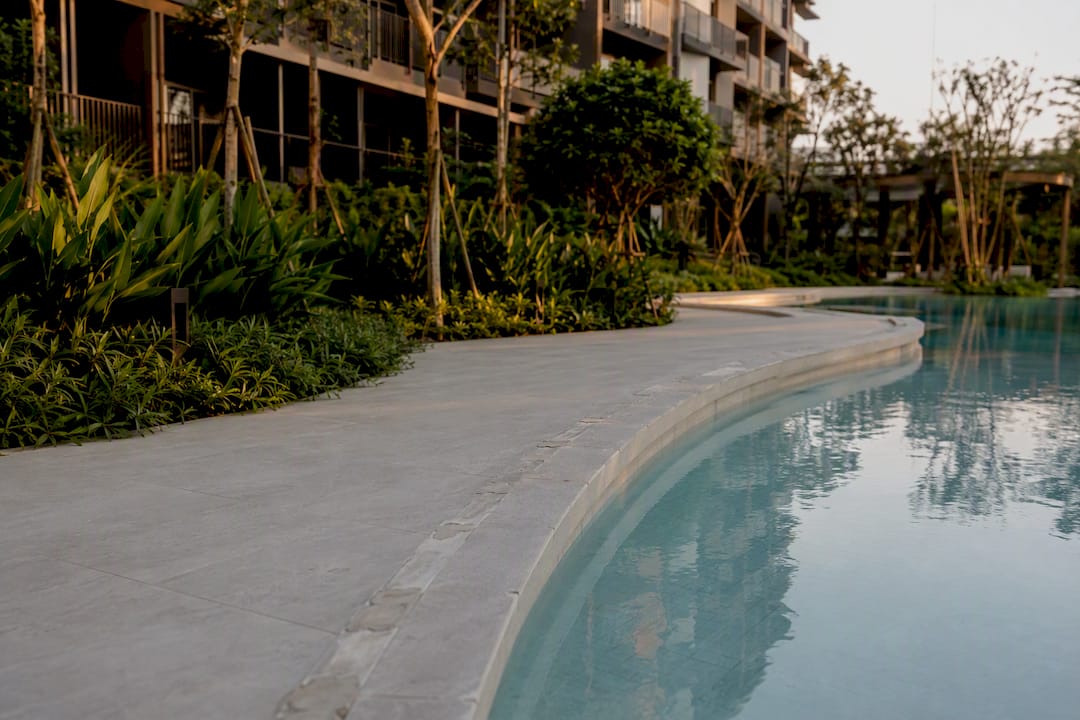
Pro Tip: Don't assume every amenity shown in the marketing brochure is ready the day you collect your keys at TOP. Ask your agent specifically which common facilities are still pending CSC-level sign-off.
What Does TOP vs CSC Mean for Your Move-In and Sub-Sale Plans?
This is where the distinction stops being academic. At TOP, you can collect keys, move furniture in, and start living in the unit. At CSC, the developer's statutory obligations for the entire project are considered discharged, which matters more than it sounds for anyone planning to sell or refinance later.
- Progressive payment schedules under most new-launch contracts tie a payment milestone to TOP, not CSC, so check your Sale and Purchase Agreement for the exact trigger.
- Final mortgage disbursement usually aligns with the TOP milestone as well, but some legal completion steps and title transfer processes reference CSC, so confirm the sequence with your lender directly.
- Sub-sale and resale transactions can happen after TOP in many cases, but defect liability periods and developer rectification obligations often run from the TOP date, so buyers acquiring a unit mid-cycle should ask exactly where that clock stands.
Pro Tip: When reviewing developer paperwork, look for the specific agency names, URA, SCDF, PUB, NEA, LTA, NParks, printed on the clearance letters rather than accepting a generic summary line claiming "all approvals obtained." A Singapore government scam advisory is a useful reminder that verifying documents directly, rather than trusting a verbal assurance, is always the safer habit.
What Documents Should You Ask For at Handover?
A complete file at CSC stage should include the CSC itself, a Certificate of Supervision from the QP, the Builders' Certificate of Completion, and individual clearance letters from each relevant technical agency. At TOP stage, expect the TOP certificate plus interim structural and fire safety sign-offs, with a note on which items remain outstanding.
- Ask the developer or your agent for copies of the actual certificates, not a verbal confirmation.
- Cross-check agency names against the list BCA requires; a CSC missing an NParks or SCDF letter is not yet complete.
- Verify authenticity through official channels like BCA's application page or government shortlinks such as go.gov.sg/csc02.
| Document | What It Confirms |
|---|---|
| TOP certificate | Building is structurally safe and legally occupiable. |
| CSC | All statutory requirements and agency clearances are complete. |
| Certificate of Supervision | QP has overseen construction to approved standards. |
| Agency clearance letters | Individual sign-off from URA, SCDF, PUB, NEA, LTA, or NParks. |
What Should Buyers Check on Day One of Occupation?
The keys are in your hand. Now the real verification work starts, and it pays to be methodical rather than excited.
- Before collecting keys, request copies of the TOP or CSC certificate and confirm which agency clearances are already in versus still pending.
- Arrange an independent snagging inspection covering electrical outlets, water pressure, lift function, and fire alarm testing, since these are exactly the systems TOP inspections prioritize.
- Document every defect in writing with photos and timestamps, then lodge rectification requests through the developer's official channel, following guidance similar to HDB's process for reporting defects in new flats.
- Confirm with your lender exactly when final mortgage disbursement triggers relative to your unit's TOP or CSC status, and keep every email and receipt on file.
Pro Tip: On day one, prioritize testing water pressure in every bathroom, checking lift call buttons on your floor, and triggering the smoke detector in your unit. These three checks catch the majority of early defect reports in newly TOP'd developments.
TOP and CSC Are Milestones, Not Report Cards
Buyers sometimes treat TOP as a quality verdict on the building, and that is the wrong lens. TOP simply means BCA judged the structure safe to occupy; it says nothing about whether the pool deck or the childcare center fit-out is finished. CSC is the developer closing out every statutory obligation, agency by agency.
What actually protects you as a buyer isn't the certificate date. It's whether you documented defects promptly, confirmed your payment schedule matched your contract, and asked for the paperwork instead of taking someone's word for it. Projects with strong sales documentation and a transparent developer track record tend to make this whole process far less stressful, which is worth factoring in well before you sign anything.
Where to Verify TOP and CSC Information Yourself
Don't take any single source's word for it, including this one. BCA's own application page for TOP and CSC is the definitive reference for issuance rules and requirements. Qualified Persons and developers rely on the CSCTOP Form Companion for exact submission formats, and government shortlinks like Go provide quick access to forms and checklists.
- BCA's condo-specific guidance on what to know as a condo owner covers owner responsibilities after occupation begins.
- For broader context on Singapore's luxury condo segment and buyer priorities, this partner explainer on the luxury condo market is worth a read.
This article is general information, not a substitute for advice from a qualified lawyer. Consult a qualified legal professional about your own circumstances before acting on anything here.
Sources
FAQ
What Is the Difference Between TOP and CSC in Singapore?
TOP permits occupation once BCA confirms the building is structurally safe, even with some outstanding non-critical work. CSC confirms full statutory completion with every required agency clearance in place, typically issued months after TOP.
What Does TOP Mean in Singapore Property?
TOP stands for Temporary Occupation Permit, the document that legally allows residents to move into a newly built unit before every finishing detail is complete. It's issued by BCA once core safety systems pass inspection.
What Is TOP in Singapore Construction?
In construction terms, TOP marks the point where a project transitions from a work site to an occupiable building. Structural, fire safety, and drainage systems must pass inspection first, per BCA's official guidance.
Can You Sell a Unit Before CSC Is Issued?
Sub-sales can often proceed after TOP, but defect liability timelines and rectification obligations typically run from the TOP date, so confirm the exact terms with your conveyancing lawyer before transacting.
How Long Does It Take to Get From TOP to CSC?
There's no fixed universal figure, but the gap commonly spans several months to over a year, depending on outstanding landscaping, facade work, and how quickly remaining agency clearances get finalized.