
Stamp duty remission is a statutory refund or reduction that IRAS grants only when a transaction meets specific, narrowly defined rules, not a general discretion IRAS applies case by case. The most common remissions cover married couples buying a second property, single Singapore Citizen seniors replacing their home, ABSD (Trust) structures, developer land purchases, and aborted sale agreements. Before you stamp anything, check the IRAS rules for your exact situation and confirm eligibility with your conveyancing lawyer, because most remissions carry a strict six-month deadline.
TL;DR:
- The automatic refund process for married couples declared their intention during e-Stamping on or after July 2, 2023, typically completes within six weeks.
- Most remissions require strict adherence to deadlines, usually within six months of sale, purchase, or relevant event, to avoid rejection.
- Claiming a remission often depends on specific conditions being met at or before contract signing, making early planning essential.
- Manual applications for complex cases, such as trusts or developer projects, usually take about two months to process after document submission.
- Failure to pay stamp duty on time results in penalties, regardless of remission approval status, emphasizing the importance of timely payments and filings.
Table of Contents
- What each stamp duty remission covers and who it helps
- Eligibility conditions for the major remissions
- How to apply for a stamp duty remission or refund
- Why remission appeals get rejected and what to do instead
- A practical checklist before you apply
- Planning a purchase around stamp duty remissions
- What actually matters when claiming a remission
- Coordinating your purchase paperwork with our team
- FAQ
- Sources
What each stamp duty remission covers and who it helps
Singapore's stamp duty regime includes several remissions and reliefs that reduce or refund Buyer's Stamp Duty (BSD), Additional Buyer's Stamp Duty (ABSD), Seller's Stamp Duty (SSD), or Lease Duty (LD). Each one responds to a specific trigger event, such as a failed purchase, a marriage, or a property sale within a set window. IRAS's consolidated list is the starting reference for all of them.
| Remission | Duty affected | Core eligibility | Typical deadline |
|---|---|---|---|
| Aborted sale and purchase / terminated lease | BSD, ABSD, LD | Agreement is called off or rescinded before completion | Apply within a set period defined by IRAS from the rescission or termination |
| ABSD for married couples | ABSD | Joint purchase with at least one Singapore Citizen spouse, sell first property within a timeframe specified by the IRAS rules | a set period defined by IRAS from the later of purchase or sale |
| ABSD concession for single SC seniors (55+) | ABSD | Single Singapore Citizen aged 55+, replacing one property with another, sells original within a set period defined by IRAS | a set period defined by IRAS from sale of first property |
| ABSD (Trust) | ABSD | Beneficial owners identifiable and vested at the time of transfer | a set period defined by IRAS from date of trust instrument |
| Sites for development (4 units or 5+ units) | ABSD | Developer undertakings to commence, complete, and sell units within set timelines | Project-specific, 2 to 5 years depending on conditions |
| Conveyance directions | BSD, ABSD | No change in beneficial ownership on direction of sub-sale | Applied at point of stamping |
| Transfer within family | BSD | No consideration changes hands, direct family relationship | Applied at point of stamping |
For couples, the remission of ABSD for a married couple page sets out a useful shortcut. If your sale and purchase agreement was stamped on or after July 2, 2023, and you declared your intention to sell the first property at the point of e-Stamping, IRAS processes the ABSD refund automatically within six weeks of the first property's sale being stamped, with no separate application needed. This single declaration at the e-Stamping stage can save weeks of paperwork later.
Readers weighing how these remissions interact with the underlying rates should also check current ABSD rates for 2026 and the Buyer's Stamp Duty rates and calculator, since a remission only reduces duty that was correctly charged in the first place.
Eligibility conditions for the major remissions
Each remission has its own statutory test, and missing one condition usually means a flat rejection rather than a partial concession.
ABSD remission for married couples requires a joint purchase where at least one spouse is a Singapore Citizen, and the couple must not own more than one residential property at the date of the new purchase. The couple sells the first property within six months of the second purchase's completion date, or within six months of the Temporary Occupation Permit (TOP) or Certificate of Statutory Completion (CSC) if the second property was uncompleted at purchase. The marriage must remain intact and ownership unchanged throughout. As noted above, declaring this intent during e-Stamping triggers an automatic refund rather than a manual application.
The ABSD concession for single SC seniors applies to Singapore Citizens aged 55 and above who purchased a second residential property on or after February 16, 2024. To claim a refund, the senior must sell the first property within six months of the second purchase, and the replacement property typically needs to meet a value test relative to the one being sold. Full conditions sit under the Stamp Duties (Senior Singles) Rules 2024, and the refund itself is claimed through an application rather than issued automatically.
ABSD (Trust) cases require upfront payment of 65% of the applicable ABSD rate, with the remainder potentially refundable once beneficial ownership is identifiable and fully vested. Contingent or conditional interests commonly disqualify a trust from this remission, a point the ABSD (Trust) rules spell out directly. Buyers structuring a purchase through a trust should get a legal opinion before stamping, since the six-month application deadline runs from the date of the trust instrument, not from any later vesting event.
Developer remissions for sites developed into four or five or more residential units depend on signed undertakings to commence construction, complete it, and sell all units within prescribed windows, generally two, three, or five years depending on project type. IRAS extended qualifying periods from March 6, 2025 and again from July 29, 2026 for complex projects and those using CORENET X submissions. Developers that miss these milestones face clawback of the remitted ABSD plus interest, calculated against the proportion of unsold units, which makes the undertaking a real cashflow commitment rather than a formality.
Conveyance directions and family transfers are narrower: they apply where no consideration changes hands or where a sub-sale direction does not alter beneficial ownership, and both are assessed at the point of stamping rather than through a later claim.
How to apply for a stamp duty remission or refund
Stamp duty remains payable by its statutory deadline even while you are applying for a remission or lodging an appeal. Missing that payment deadline triggers late penalties regardless of how strong your remission case is.
The IRAS refund process runs through myTax Portal.
- Log in to myTax Portal under Stamp Duty, using your SingPass.
- Select "Request," then choose either "Apply for Refund" or "Apply for Assessment/Appeal for Waiver," depending on your situation.
- Upload the required documents for your remission type: the executed sale and purchase agreement or option, proof of rescission or termination where relevant, the trust instrument for ABSD (Trust) cases, a signed Letter of Undertaking for developer remissions, and TOP or CSC documentation where timelines hinge on completion dates.
- Submit identity references for all buyers and sellers, plus CPF withdrawal statements if CPF funds were used.
- Track the application status in myTax Portal; most complete submissions are processed within about two months, though complex developer cases can take longer.
Several of these myTax Portal functions are desktop-only, so attempting the upload flow on a mobile browser often fails partway through. Once approved, refunds are credited by GIRO, PayNow linked to your NRIC, FIN, or UEN, or telegraphic transfer for larger sums. IRAS stopped issuing cheques for stamp duty refunds from the end of September 2025, so having GIRO or PayNow set up in advance avoids delay.
Pro Tip: Declare your intention to sell the first property at the point of e-Stamping if you expect to claim the married couple's ABSD remission: it converts a manual application into an automatic refund.
Sequence matters. Decide whether you will sell your existing property before or after completing the new purchase, confirm that decision with your conveyancing lawyer, and make the e-Stamping declaration where it applies before you finalize the transaction.
Why remission appeals get rejected and what to do instead
IRAS applies remissions narrowly, as its own guidance on appealing for a stamp duty waiver makes clear, and most appeals against correctly assessed duty fail. Common grounds for rejection include general market downturns, difficulty finding a buyer within six months, holiday-season delays in completing a sale, or simply changing one's mind after the purchase. None of these meet the statutory bar, because the remission conditions were written to apply regardless of market circumstances.
Exceptional cases that sometimes succeed involve documented, unforeseeable events, such as a genuine family emergency that disrupted a sale already in progress, supported by clear paper evidence. These remain rare, and IRAS still expects the duty to be paid on time while any appeal is under review: late payment penalties accrue independently of the appeal's outcome.
If your situation is unusual, raise it with IRAS or your lawyer before you stamp, not after. A pre-submission inquiry through myTax Portal, or a conversation with your conveyancing solicitor about how your facts map onto the published conditions, costs far less time than a rejected appeal and a missed deadline.

A practical checklist before you apply
Pulling together the right paperwork before you start the myTax Portal process avoids the most common delays.
- Signed sale and purchase agreement, option, or lease instrument relevant to your transaction.
- Proof of sale, rescission, or termination where the remission depends on that event.
- Trust instrument and beneficiary details if claiming ABSD (Trust) remission.
- Signed Letter of Undertaking if you are a developer claiming a site remission.
- TOP or CSC documentation if your deadline is tied to completion rather than purchase date.
- CPF withdrawal statements and HDB references if CPF funds were involved.
- Desktop access with SingPass ready, since several myTax Portal functions do not work on mobile.
- Your conveyancing solicitor's contact details on hand for questions that arise mid-application.
Keep the six-month rule and any developer-specific deadlines marked on a calendar well before the transaction closes.
Pro Tip: Complete myTax Portal refund and remission tasks on a desktop browser, and make the e-Stamping intent declaration early where it applies, since both steps prevent the most common avoidable delays.
Planning a purchase around stamp duty remissions
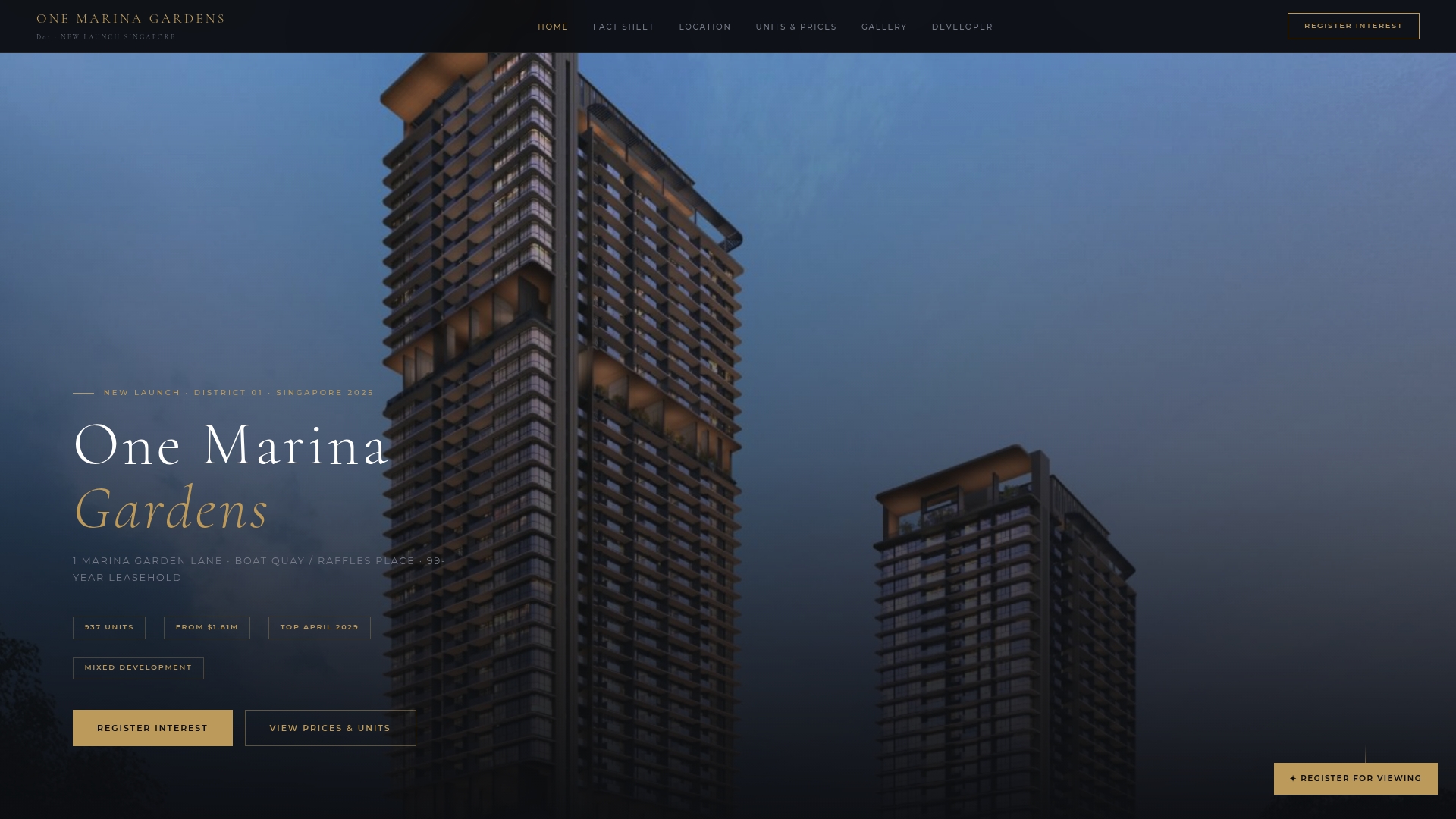
If you are buying at One Marina Gardens, timing your paperwork with your conveyancing lawyer and sales agent before you sign anything puts you in a stronger position to claim any remission you are entitled to. Decisions about selling an existing property, structuring a trust, or declaring intent in e-Stamping all need to happen at or before the point of purchase, not after.
For readers doing deeper planning, our guides on ABSD rates for 2026, ABSD for foreign buyers, and the deferred payment scheme cover how timing choices around TOP and CSC dates interact with remission deadlines. We write these resources for people actively comparing unit types and payment structures at One Marina Gardens, authored by Velisa.
What actually matters when claiming a remission
The conventional advice on stamp duty remission treats it as a matter of filling out the right form after a transaction closes. That gets it backward. The conditions that determine eligibility, joint ownership structure, the six-month sale window, trust vesting terms, are all fixed at or before the point of purchase, which means the real work happens during contract negotiation, not during the refund application.
Most rejected appeals we see described in IRAS's own guidance share a pattern: the buyer assumed a remission would apply and only checked the fine print once a sale fell through or a deadline passed. The single highest-value habit for any Singapore property buyer is to map your transaction against the specific remission conditions before signing, with your lawyer confirming the fit in writing. The e-Stamping declaration for married couples is a good example of a small, easily missed step with an outsized payoff. Treat remission eligibility as a design constraint on the deal, not a paperwork afterthought.
— Velisa
Coordinating your purchase paperwork with our team
Buying a home involves more moving pieces than most people expect, and getting the stamp duty details right alongside unit selection, financing, and completion timing takes coordination. Our sales team works alongside buyers to help sequence these decisions, pointing you toward your own conveyancing lawyer for the legal specifics while keeping your purchase timeline on track.
- Browse available layouts on our unit listing page.
- Check current availability and pricing on our price list page.
- Book a showflat visit to discuss timing and documentation with our team directly.
This article is general information, not a substitute for advice from a qualified financial advisor. Consult a qualified financial professional about your own circumstances before acting on anything here.
FAQ
What does stamp duty remission mean?
Stamp duty remission is a statutory reduction or refund of duty that IRAS grants only when a transaction meets specific published conditions, such as a married couple selling their first property within six months of buying a second. It is not a general discount: each remission has its own eligibility test set out on IRAS's remissions page.
What are the requirements for ABSD remission for married couples?
A married couple must make a joint purchase where at least one spouse is a Singapore Citizen, and they must sell their first residential property within six months of completing the second purchase, or within six months of TOP or CSC if the second property was uncompleted. Full conditions, including the automated refund option for couples who declare intent during e-Stamping, are set out by IRAS.
Can stamp duty be reimbursed?
Yes, stamp duty can be refunded when a transaction qualifies for a remission, such as an aborted sale agreement, a terminated lease, or a married couple selling a first property within the required window. Applications and supporting documents are submitted through myTax Portal under the IRAS refund process, with refunds paid by GIRO, PayNow, or telegraphic transfer.
How long does ABSD remission take to process?
For married couples who declared their intent to sell during e-Stamping on or after July 2, 2023, IRAS processes the refund automatically within six weeks of the first property's sale being stamped. Manual applications, including those for single SC seniors or trust cases, typically take around two months once all required documents are submitted, though complex cases can take longer.